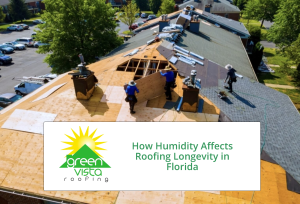
Living in Florida means adjusting to a climate that can be as challenging as it is beautiful. Homeowners often face the persistent issue of high moisture levels, which significantly affect structures, especially roofs. The term humidity roof lifespan Florida encapsulates the challenges that come with constant exposure to humid conditions. As someone who values their home and its safety, you understand the unique difficulties of maintaining a roof in such an environment. With the rising temperatures and frequent rainfall, it is essential to comprehend how these elements interact to impact your roofing. The increased moisture accelerates wear and tear, causing materials to deteriorate faster than in drier climates. This can lead to structural damage over time and unexpected repair costs. By learning about the effects of humidity, you can make informed decisions regarding maintenance and necessary upgrades. In this article, we will discuss how humidity influences roofing durability, explore practical solutions, and offer proactive maintenance tips. Our goal is to guide you with empathy and clarity so that you can secure your home while navigating Florida’s unique weather challenges.
Background on the impact of humidity roof lifespan Florida
Florida’s climate is renowned for its high humidity levels, which play a crucial role in the longevity of roofing materials. The constant exposure to moisture accelerates the deterioration of roofing components, making it essential to understand what humidity roof lifespan Florida truly means. In simple terms, it refers to how long a roof remains durable and reliable given the persistent presence of moisture. For example, wood shingles may warp or develop mold over time if they are not adequately maintained, while metal roofing might experience corrosion. Homeowners who live in coastal areas, where the sea breeze also brings salt-laden air, often see their roofs wear out more quickly. This issue is not just about appearance; it can affect the overall safety and energy efficiency of a home. Recognizing the influence of humidity helps homeowners schedule regular maintenance and inspections to prevent costly damage. It is a matter that requires consistent monitoring and smart materials selection to ensure a roof can endure Florida’s humid environment without prematurely failing.
Why humidity affects roofing durability
Understanding the effects of humidity on your roof is critical for ensuring long-lasting protection for your home. The excessive moisture in the air can lead to accelerated deterioration of roof materials, causing issues such as mold growth, material corrosion, and structural weakening. Over time, these problems may manifest in leaks, reduced insulation performance, and even compromised structural integrity. The real-world impact of this phenomenon is not merely theoretical, and proactive measures can help avert significant damage.
When a roof succumbs to the recurring assault of high moisture levels, homeowners often face increased maintenance costs and potential safety hazards. This stresses the importance of recognizing the signs and acting promptly before minor issues turn into major repairs. Consistent maintenance, proper materials selection, and professional inspections are key to prolonging a roof’s lifespan.
- Scenario 1 and consequence 1: Inadequate ventilation combined with high humidity can lead to trapped moisture in the roofing system, resulting in premature decay and increased energy bills.
- Scenario 2 and consequence 2: Improper sealing of roof joints may allow moisture penetration, causing leaks and mold growth that compromise both aesthetics and structural safety.
- Scenario 3 and consequence 3: Failure to address minor damages promptly under humid conditions can escalate into significant repair needs, ultimately shortening the roof’s lifespan.
Understanding how Florida roofs handle high moisture
- Step 1: Begin with a thorough inspection to identify early signs of moisture damage. Check for discoloration, mold, or any warped sections that might indicate a problem.
- Step 2: Choose roofing materials that are specifically designed to withstand high humidity. Materials such as impact-resistant shingles or treated metal roofing can provide better durability.
- Step 3: Maintain regular cleaning and sealing routines. This helps to prevent the buildup of moisture and debris, ultimately extending your roof’s useful life.
Expert insights for extending roofing life
Common inquiries on roofing longevity in humid conditions
Green Vista Roofing Client Support
At Green Vista Roofing, providing exceptional client support is at the forefront of our business. We understand the challenges faced by homeowners in humid climates and the importance of a roof that stands up to Florida’s unique weather conditions. Our team brings years of experience and a hands-on approach to every project, ensuring that each roofing solution is tailored to the client’s specific needs. By conducting comprehensive inspections and using state-of-the-art materials, we protect your home from the damaging effects of high humidity. Clients benefit from our proactive maintenance plans, expert advice, and commitment to quality workmanship. We aim to offer not only top-notch roofing services but also peace of mind. When you work with us, you are choosing reliability and long-term durability that has been refined through years of local expertise.
Essential conclusions on roofing durability
In conclusion, understanding the impact of humidity on roofing longevity is imperative for Florida homeowners. Many challenges arise from excess moisture, but with informed decisions and regular maintenance, these obstacles can be overcome. By choosing reliable roofing professionals and utilizing expert insights, you can ensure a longer, more resilient roof that comfortably withstands the humid conditions. Embrace the knowledge shared in this article and take the necessary steps to safeguard your home. Remember that proactive management today can prevent extensive damage in the future, putting you one step ahead of Florida’s challenging climate.