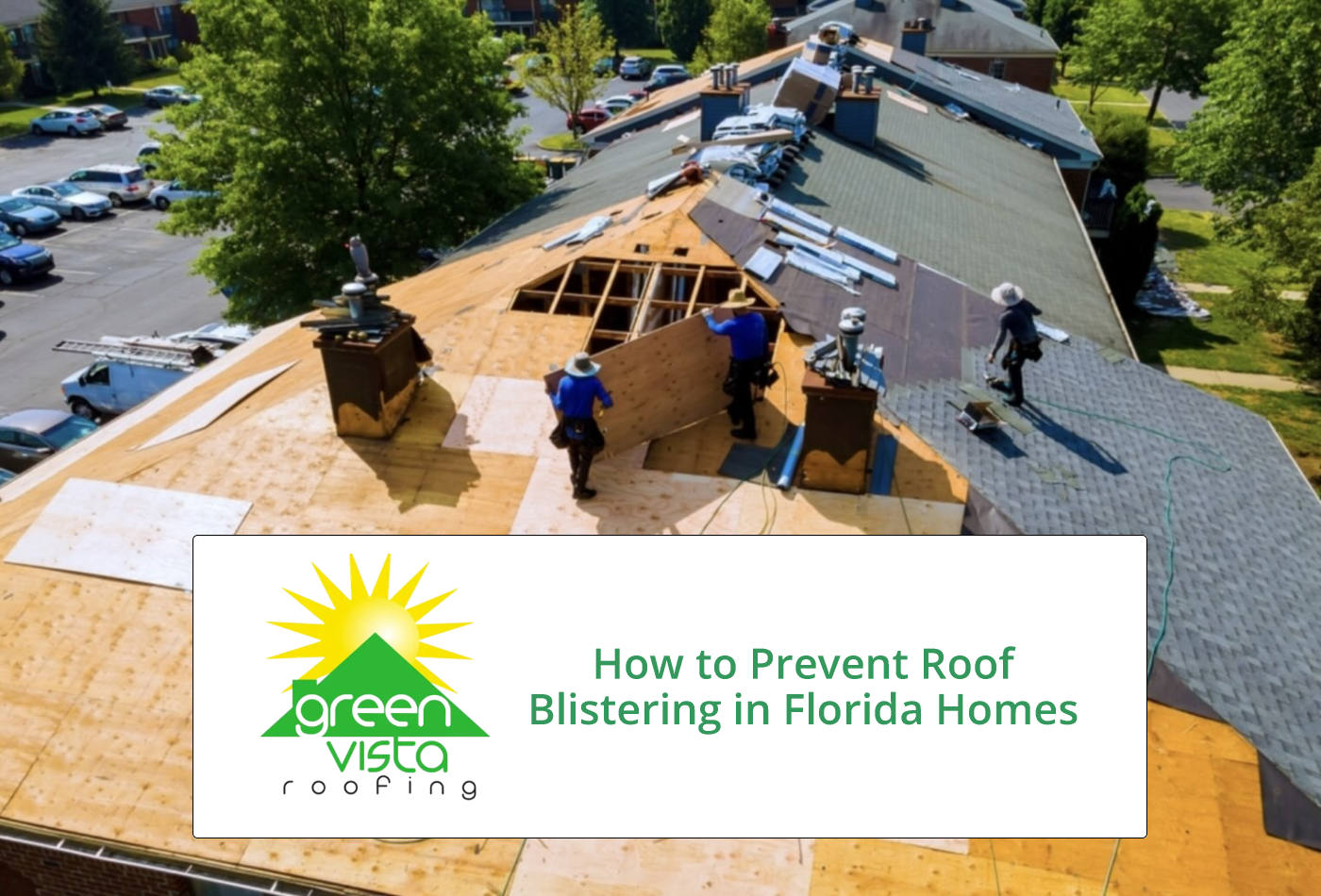
Florida homeowners understand how unpredictable weather can impact their properties. Roof blistering Florida, a common yet concerning issue, has been on the minds of many who seek long-term solutions for their roofs. This article offers reassurance and insightful information for those experiencing or wanting to prevent this problem. With the unique challenges presented by Florida’s humid climate and intense sun exposure, blistering can quickly become a costly and stressful ordeal. By providing practical advice, our goal is to help homeowners navigate through repair options and effective maintenance techniques. We understand the emotional and financial strain that roof damage can cause, which is why our discussion delves into preventive measures that are both practical and accessible. Whether you have recently noticed small bubbles on your roof surface or are planning ahead to minimize future risks, the following content addresses your concerns and explains actionable steps to safeguard your home. In doing so, we embed roof blistering Florida as a core focus, ensuring that the nuances of this condition in our region are addressed with empathy. The following sections will examine the background of roof blistering, its direct impact on your home, and expert recommendations to protect and maintain the integrity of your roofing system.
Background on Understanding the Roof Blistering Issue in Florida
Roof blistering in Florida refers to the formation of raised pockets or bubbles on a roofing surface. This phenomenon typically occurs when moisture becomes trapped beneath layers of roofing material, reacting to extreme temperatures and intense sunlight. For example, when water seeps into the roof structure during a heavy Florida rainstorm and is subsequently heated by the sun, it can expand, leading to visible blisters on the roof’s surface. Another instance involves improper installation techniques that inadvertently trap water, accelerating the damage. Homeowners might observe small, dome-like formations on asphalt shingles or metal panels, ultimately compromising the roof’s integrity. Over time, these bubbles can lead to further deterioration such as cracked surfaces and weakened structural bonds. The process is often aggravated by the region’s high humidity and temperature fluctuations, making maintenance and early intervention critical. Understanding the root causes enables homeowners to take steps in prevention and timely remediation, thus avoiding further challenges down the line.
Why Roof Blistering is Critical for Florida Homes
The impact of roof blistering is not limited to cosmetic damage. It is essential to address the problem early because it can lead to more significant issues such as water leaks, reduced insulation efficiency, and even structural damage. When roof integrity is compromised due to blistering, the entire roofing system may be at risk, resulting in higher repair costs and potential safety hazards. Homeowners in Florida face increased challenges due to high levels of heat and humidity, which can worsen the effects of blistering over time.
Real-life scenarios demonstrate the practical implications of roof blistering. Various consequences can result if the condition is not promptly resolved. The risks extend from minor inconveniences to serious structural damage that affects the entire home.
- Scenario 1 and consequence 1: A small blister may expand over time, eventually causing water seepage and further weakening the roofing materials.
- Scenario 2 and consequence 2: Consistent exposure to humidity can deteriorate the protective sealings on the roof, leading to more frequent repairs and higher maintenance costs.
- Scenario 3 and consequence 3: Severe blistering might lead to significant roofing failure during a storm, forcing expensive emergency repairs or even roof replacement.
The Process Behind Roof Blistering in Florida
- Step 1: Moisture Penetration. Water from rain or condensation infiltrates the roofing layers through small cracks or gaps. This initial stage is where unnoticed leaks begin causing significant issues over time.
- Step 2: Heat Exposure. Florida’s intense sunlight heats the trapped moisture, causing it to expand and form bubbles beneath the roof surface. This step is pivotal as the pressure from the expanding water affects the material structure.
- Step 3: Formation of Blisters. With continuous heat and moisture, the pressure forces a separation between the roofing materials, resulting in visible blisters. These blisters weaken the integrity of the roofing system and compromise overall performance.
Expert Advice for Handling Roof Blistering in Florida
Common Questions on Roof Blistering in Florida
How Green Vista Roofing Benefits Homeowners
Green Vista Roofing has been a trusted partner for Florida homeowners, providing reliable and expert roofing solutions that prioritize both quality and customer care. Their team ensures that every roofing project is executed with attention to detail, using high-grade materials and state-of-the-art techniques that are specifically tailored for Florida’s challenging climate. Customers appreciate the peace of mind that comes with knowing their homes are protected by experienced professionals who understand the nuances of roof blistering Florida experiences. By investing in proactive maintenance and swift repairs, Green Vista Roofing helps extend the lifespan of your roof, ensuring that your home remains safe and secure. Their comprehensive services also include detailed consultations, thorough inspections, and tailored repair plans that address current issues and help prevent future occurrences. The expertise and personalized care provided by Green Vista Roofing make it easier for homeowners to meet local building codes without sacrificing quality or aesthetics.
In Summary Key Points for Roof Blistering in Florida
In conclusion, preventing roof blistering in Florida requires a comprehensive approach that combines regular maintenance, superior materials, and expert advice. Homeowners should be proactive by scheduling timely inspections and addressing any signs of deterioration to protect their investments. The combination of environmental factors such as high humidity and prolonged sun exposure underscores the importance of selecting reliable and knowledgeable roofing professionals. With the insights provided, readers are better equipped to handle minor issues before they escalate into major problems. Ultimately, understanding the processes, engaging in regular upkeep, and partnering with reputable companies like Green Vista Roofing will help ensure that your home remains secure, efficient, and aesthetically pleasing for years to come.